
Quick vacation itineraries for remote workers are harder to plan than they sound, because you’re never fully off the clock and you know it. I’ve tried the “I’ll just check Slack once” approach in a dozen countries, and it never goes the way you imagine. The trick isn’t finding a place with a pool. It’s finding a rhythm that actually lets you breathe between meetings, without watching your inbox explode the moment you try to relax.
1. Lisbon, Portugal: 5 Days of Work, Wine, and Wandering
Lisbon is practically built for remote workers. The city has fast fiber internet in nearly every café, a thriving co-working scene, and a timezone that works beautifully if your clients are in the U.S. or UK. Mornings in a Baixa café with a galão and your laptop feel almost unfairly pleasant.
Days 1 to 2: Get settled, find your working spot, and do one slow evening walk through Alfama. Don’t rush it.
Days 3 to 4: Work your usual hours in the morning. Afternoons are for Belém Tower, the LX Factory market, and pastel de nata research, which is serious business.
Day 5: Full day off. Take the train to Sintra. Spend the day at Pena Palace and come back sunburned and genuinely happy.
Accommodation in Lisbon ranges from $20 hostel dorms to beautifully tiled Airbnbs for $60 to $90 per night. NOS and MEO SIM cards are cheap and reliable as backup internet. The entire city runs on a relaxed pace that makes it easier to mentally separate work time from your time.
2. Chiang Mai, Thailand: 7 Days in the Digital Nomad Capital
Chiang Mai didn’t become the world’s most famous remote work destination by accident. The internet is fast, the cost of living is low, and the food is extraordinary. A private room in a solid guesthouse near Nimman Road costs $20 to $35 per night. A bowl of khao soi, the city’s signature coconut curry noodle soup, runs about $1.50.
Days 1 to 2: Land, recover from the flight, and set up your base. CAMP co-working inside Maya Mall is legendary and free with a coffee purchase.
Days 3 to 5: Work your regular schedule. Evenings are for the Sunday Walking Street, temple hopping at Doi Suthep, and cooking classes that cost around $25.
Days 6 to 7: Take a weekend trip to Pai, a tiny mountain town two hours north. No agenda. Just rest.
Finding the Right Co-Working Space in Chiang Mai
If CAMP gets too crowded, MANA and Yellow are excellent alternatives with reliable gigabit connections and standing desks. Both offer day passes for around $8 to $10. Book a day pass before you show up on Monday morning because spots fill fast during peak season, which runs November through February.

3. Medellín, Colombia: 6 Days of Spring Weather and Serious Productivity
Medellín’s eternal spring climate, 75°F year-round, means you never waste mental energy thinking about what to pack or whether it’ll rain. El Poblado has more co-working spaces per block than most cities have coffee shops. Selina, Atomhouse, and Mil Mundos are all solid options with fast internet and social communities built right in.
Days 1 to 2: Get oriented. Grab a Tigo SIM card at the airport for backup data. Walk El Poblado, eat at Hacienda, and sleep early.
Days 3 to 4: Full work days with afternoon breaks. Take the Metro Cable up to Parque Arví for a late afternoon hike and views over the city.
Day 5: Day trip to Guatapé. Climb the Peñón rock, eat fresh fish by the reservoir, and don’t check your email.
Day 6: Slow morning, local market, flight home or onward.
Medellín also has one of South America’s most developed digital nomad communities, so you’ll meet other remote workers easily. Selina hosts weekly networking events that feel genuinely social rather than awkward and forced.
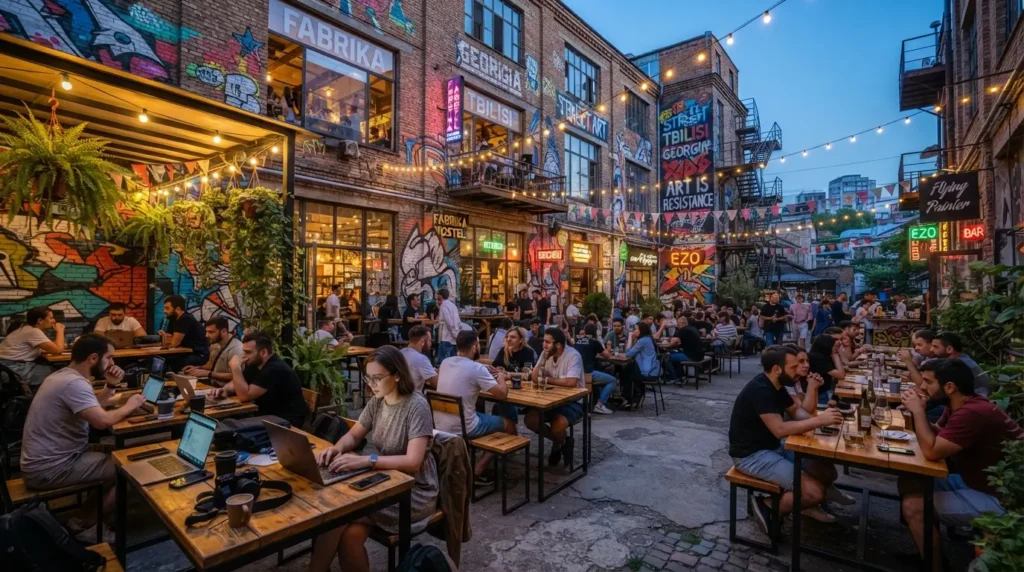
4. Tbilisi, Georgia: 5 Days in Europe’s Best Kept Secret
Georgia, the country, not the state, is quietly one of the best places on earth for remote workers right now. The cost of living is extremely low, the food scene is incredible, and the country offers a one-year remote work visa called the Remotely from Georgia program. Even on a short trip, Tbilisi delivers hard.
Days 1 to 2: Check into a guesthouse in the Old Town for $25 to $40 per night. Walk Rustaveli Avenue, visit the sulfur baths in Abanotubani, and eat khinkali dumplings until you can’t move.
Days 3 to 4: Work from Fabrika, a Soviet sewing factory turned creative hub with excellent Wi-Fi, outdoor seating, and a dozen restaurants on site. Afternoons free.
Day 5: Take a marshrutka minibus to Mtskheta, Georgia’s ancient capital, just 20 minutes from Tbilisi. It’s peaceful, photogenic, and costs almost nothing.
Internet situation: Tbilisi has surprisingly fast connections across most cafés and co-working spaces. Magti SIM cards are widely available and data is cheap.
5. Bali, Indonesia: 7 Days Between Canggu and Ubud
Bali is polarizing in the remote work world. Some people love it, some find it overhyped. My honest take is that it depends entirely on where you stay. Canggu works if you want surf, beach clubs, and a social nomad scene. Ubud works if you want rice terraces, silence, and better focus.
Days 1 to 3 in Canggu: Work from Dojo or Outpost co-working, both have fast internet and day passes around $10 to $15. Evenings at La Brisa or Potato Head if you want to treat yourself.
Days 4 to 7 in Ubud: Slower pace. Co-work from Hubud or Karja. Mornings in the rice terraces. Afternoon cooking class. One full day at the Sacred Monkey Forest and Tegallalang.
The Wi-Fi Problem Nobody Warns You About
Power outages happen in Bali, especially during rainy season from October through March. Always carry a fully charged power bank, download your key documents offline, and have a Telkomsel SIM card with a solid data plan as your backup. Don’t learn this lesson the hard way during a client call.
6. Porto, Portugal: 4 Days of Tiles, Port Wine, and Good Broadband
Porto is Lisbon’s cooler, slightly less polished sibling, and it’s perfect for a short remote work escape. The city is compact, walkable, and packed with independent cafés that have strong Wi-Fi and don’t rush you out after one coffee. Foco co-working in the Bonfim neighborhood is a local favorite with affordable day passes.
Day 1: Arrive, check into Rivoli Cinema Hostel or similar, walk the Ribeira waterfront.
Day 2: Full work day from a café or co-working space. Evening port wine tasting at Graham’s Lodge with views over the Douro River.
Day 3: Half work day in the morning. Afternoon at Livraria Lello, the famous bookshop, then a sunset walk across Dom Luís I Bridge.
Day 4: Morning at the beach in Matosinhos, a 20-minute Metro ride away. Grilled fish lunch, then head to the airport.
Porto is one of those cities where four days somehow feels like a full week because you actually disconnect. The pace here encourages it.
7. Mexico City, Mexico: 6 Days of Culture, Tacos, and Time Zones That Work
For North American remote workers, Mexico City is a genuinely perfect option because the timezone overlap with U.S. clients is seamless. You can work normal hours and still have full evenings free. Roma Norte and Condesa have fantastic café culture with fast internet and the kind of beautiful tree-lined streets that make even a working Tuesday feel like a lifestyle.
Days 1 to 2: Settle into a Airbnb in Roma Norte, $45 to $70 per night for a decent apartment. Eat at El Turix for cochinita pibil tacos. Sleep well.
Days 3 to 4: Work from Buna 42 or Quentin co-working. Both have reliable connections and relaxed atmospheres. Evenings at Mercado de Medellín or Parque México.
Day 5: Full day off. Frida Kahlo Museum in Coyoacán in the morning, then Xochimilco in the afternoon for trajinera boat rides.
Day 6: Teotihuacán pyramids. Wake up early, beat the crowds, climb the Pyramid of the Sun, and feel very small in the best way possible.
Uber works flawlessly in Mexico City and keeps costs low. An UberX across town rarely exceeds $4. FYI, the altitude sits at 7,300 feet, so drink water aggressively on day one.

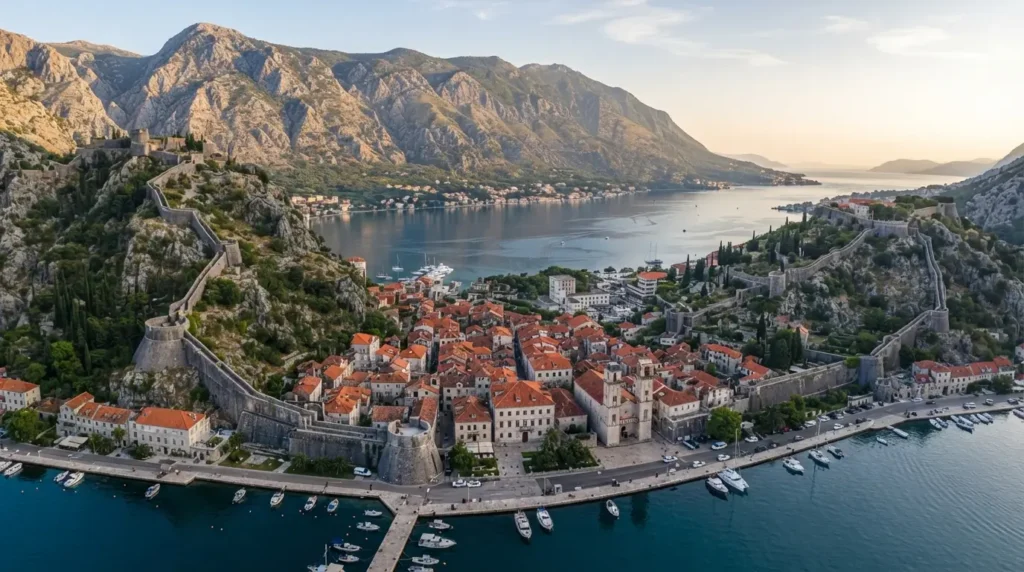
8. Kotor, Montenegro: 4 Days of Medieval Walls and Unexpected Quiet
Nobody talks about Kotor enough. This small medieval walled city on the Adriatic coast in Montenegro is one of the most visually stunning places I’ve worked from, and the crowds are nothing compared to Dubrovnik just across the border. It’s calm, walkable, and the old town has a handful of cafés with solid Wi-Fi tucked inside centuries-old stone buildings.
Day 1: Walk the city walls at sunrise before the tour groups arrive. Costs about $8 and takes 90 minutes. Worth every step.
Day 2 to 3: Work from Bastion co-working or a café near St. Tryphon Cathedral. Afternoons by the bay or on a short boat trip to Our Lady of the Rocks island.
Day 4: Day trip to Budva or Perast. Both are 30 to 40 minutes by bus.
Accommodation inside the old town walls runs $40 to $70 per night. Montenegro uses the euro despite not being in the EU, so no currency confusion. Internet quality varies, so a local m:tel SIM card is smart backup.
How to Actually Disconnect Without Falling Behind
The biggest mistake remote workers make on vacation is leaving no structure at all. Total chaos leads to you checking email at 11 p.m. from a rooftop bar in Bangkok, which is not the vibe.
Set a clear working window and stick to it. Two to four focused hours beats eight half-present ones every time. Use tools like Notion or Todoist to batch your tasks before you travel so the first two days feel manageable. Set an honest out-of-office message with your actual availability window.
Tell your team you’re in a different timezone even if you aren’t, it sets expectations and reduces the “quick question” messages that eat your afternoon. Block your calendar for exploration time the same way you block meetings. If it’s not on the calendar, it won’t happen, and you’ll end up working through every sunset you paid a flight to see.
Tools That Make Remote Work Travel Smoother
A few things genuinely make a difference:
- Skyroam or Airalo eSIM for backup data that works across borders
- NordVPN for secure connections on café Wi-Fi
- Revolut or Wise for fee-free international spending
- Krisp app for background noise cancellation on calls from loud cafés
- Google Fi if you’re American and want one SIM that works almost everywhere
None of these are sponsored recommendations. They’re just what actually works.
Frequently Asked Questions
What makes a destination good for quick vacation itineraries for remote workers?
Fast and reliable internet is the baseline. Beyond that, the best destinations have a reasonable timezone overlap with your clients, affordable accommodation, and enough to do in evenings and on days off that you actually feel like you traveled. A good food scene also helps your brain reset faster than you’d expect.
How do I find reliable Wi-Fi before I arrive somewhere?
Nomad List is the most useful resource for checking internet speeds, cost of living, and safety scores for cities worldwide. You can also search recent Reddit threads in communities like r/digitalnomad for honest, current reviews. Always buy a local SIM card on arrival as a backup, no matter how confident you feel about the hotel Wi-Fi.
Is it worth booking a co-working space instead of working from cafés?
For trips longer than three days, yes. Co-working spaces offer consistent speeds, ergonomic setups, and a social environment that cafés can’t match. They also separate your workspace from your leisure space mentally, which makes it much easier to actually stop working at the end of the day. Many offer day passes so you’re not locked into a full week.
How short is too short for a remote work trip?
Honestly, anything under three nights tends to feel more stressful than restful once you factor in travel time and adjustment. Four to five nights is the sweet spot for a quick trip. You get one day to settle, two to three solid working days, and at least one full day to actually explore without guilt or laptop anxiety.
Do I need travel insurance as a remote worker?
Yes, without question. World Nomads and SafetyWing are both built specifically for long-term and location-independent travelers. SafetyWing is cheaper and works well for extended trips, while World Nomads offers stronger adventure activity coverage. Check whether your policy covers laptop theft and work equipment, because standard travel policies often don’t.
Conclusion
Remote work gave us the freedom to work from anywhere, but freedom without a plan just becomes a different kind of stress. Pick one of these itineraries, book the flight, and actually block your calendar before you go. Which destination is calling your name right now?